Affordable Pest Control Services That Deliver Long-Term Results
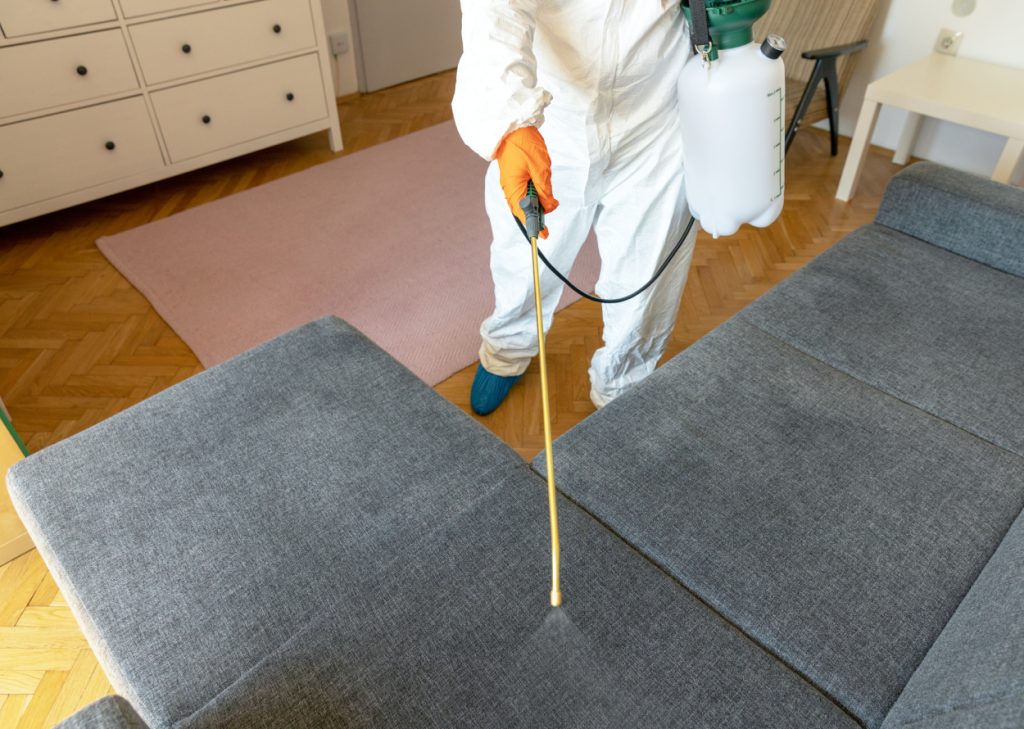
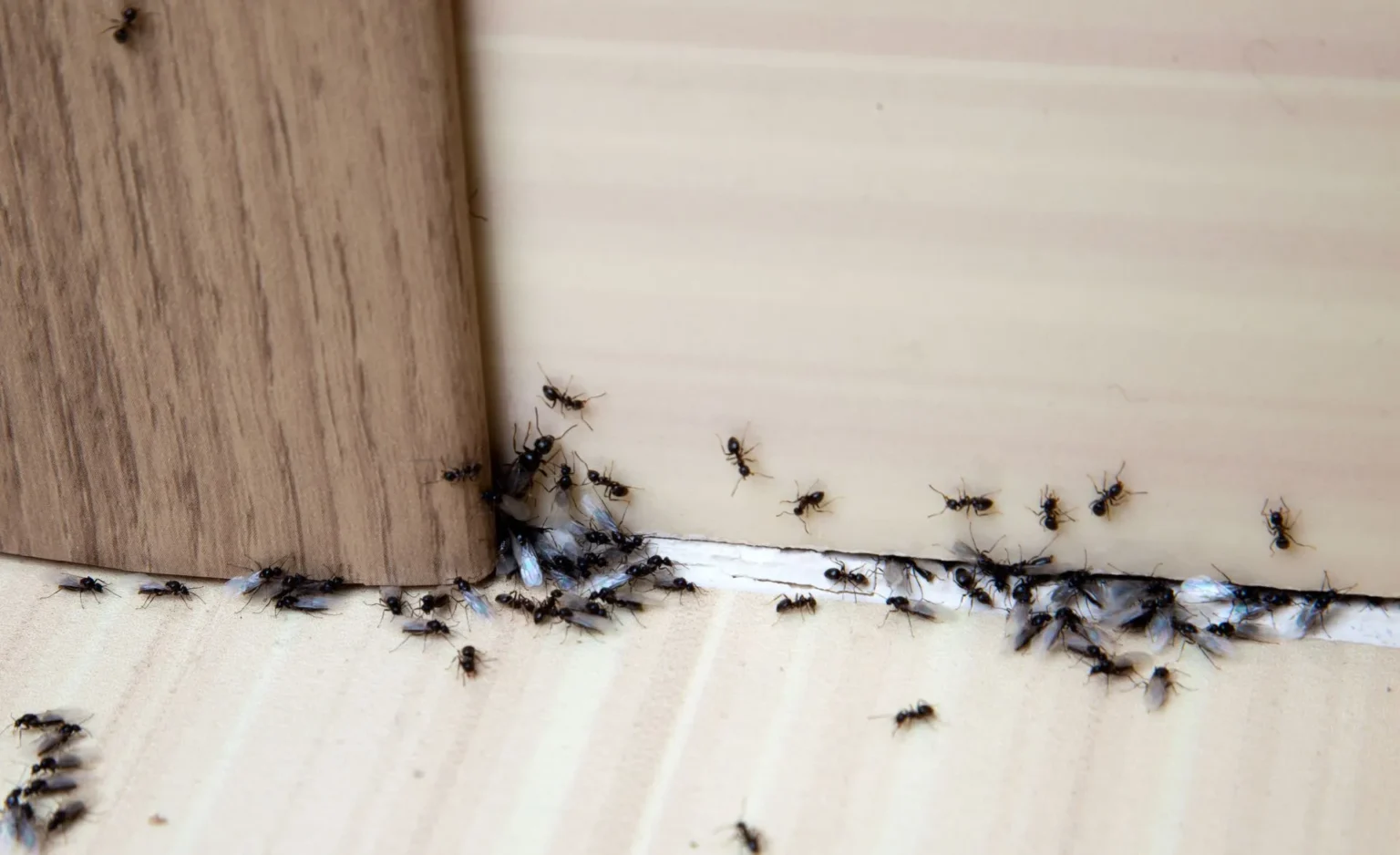

Price matters when pests show up. Few homeowners or business operators want to spend more than necessary to solve a problem that feels urgent, unpleasant, and sometimes embarrassing. But cheap pest control and affordable pest control are not the same thing. One often buys a quick spray and a short-lived sense of relief. The other buys a methodical service that solves the current infestation, reduces the odds of another one, and does it at a price that makes sense over the life of the property.
That distinction is where long-term value lives.
After years of watching how infestations start, spread, and return, one pattern stands out: repeat pest problems usually have less to do with the pesticide itself and more to do with what the service does or does not address around it. If the technician treats visible activity but ignores moisture, food sources, harborage, entry gaps, and seasonal pressure, the bill may be low on day one but expensive by month six. If the service identifies why pests are there in the first place, the treatment tends to last longer, requires fewer emergency callbacks, and costs less over time.
What “affordable” should really mean
In practical terms, affordability is not just the invoice amount. It is the total cost of control over a year or more. A single low-price visit can seem attractive, especially for ants in the kitchen or a sudden burst of wasps under the eaves. But if the treatment does not fit the pest, the property, and the conditions that support the infestation, the same problem often returns.
A better definition of affordable pest control services includes three things: a fair initial price, a realistic treatment plan, and a measurable drop in repeat activity. When those pieces line up, the customer spends less time chasing short-term fixes and less money on recurring outbreaks.
Consider a common example. A homeowner sees German cockroaches in the kitchen and calls the least expensive provider in town. The technician sprays baseboards, sets a few glue boards, and leaves in twenty minutes. The insects disappear from sight for a week, then rebound. Why? Because German cockroaches usually need more than a surface treatment. They hide in appliance voids, reproduce quickly, and thrive where moisture and food remain available. A more affordable long-term plan might include inspection, targeted baiting, crack and crevice work, sanitation guidance, and follow-up visits spaced according to the life cycle. The upfront total may be higher, but the problem has a real chance of ending.
That is the kind of math property owners should use.
The pests that punish short-term thinking
Not every pest problem needs the same level of intervention. Some can be resolved quickly if caught early. Others are famous for surviving incomplete treatments. The trick is matching the service approach to the pest's biology and behavior.
Ants are a good example of why surface spraying can disappoint. When foraging ants cross a treated area, customers often see immediate results and assume the problem is solved. But many species nest behind walls, beneath slabs, or outside along foundations. Kill the visible workers without reaching the colony, and another wave may appear within days. A solid ant program identifies the species first. Odorous house ants, pavement ants, carpenter ants, and fire ants each behave differently. The right service uses baits, exclusion, and habitat correction, not just a broad application around the room.
Rodents create another expensive cycle when services focus only on trapping. Traps matter, but so do entry points. A mouse can fit through a gap roughly the size of a dime. Rats need a bit more space, but not much. If the service removes the rodents without sealing the utility line gap behind the water heater or the broken vent screen in the crawl space, new animals move in. I have seen customers spend hundreds on repeat rodent visits when a careful exclusion repair would have changed the outcome.
Termites raise the stakes even further. Here, the cheapest option is often the most dangerous one. A rushed inspection can miss activity in a sill plate, an inaccessible crawl space, or a swarm history that points to a hidden colony. Good termite work is rarely the lowest bid, but it does not need to be extravagantly priced either. What matters is whether the company explains the treatment zone, the conditions that support infestation, and how monitoring or warranty terms work after treatment.
Bed bugs may be the clearest proof that price alone tells you very little. They are labor-intensive to eliminate because they hide in seams, cracks, frames, and nearby clutter. Success depends on preparation, follow-up, and realistic expectations. An unusually cheap bed bug service often means the company is counting on luck.
Why some low-cost services fail
The pest control industry includes excellent operators, rushed operators, and everything in between. When a quote is far below the local norm, there is usually a reason. Sometimes it is harmless, such as a small company with low overhead and efficient routes. More often, a very low price reflects missing steps.
The first missing step is inspection. Real inspection takes time. A technician should ask where activity was first noticed, whether it is worse at certain hours, whether there have been leaks, recent renovations, pet food left out overnight, or tree limbs touching the structure. They should inspect likely entry areas and harborage zones instead of treating only the room where the customer happened to see the pest.
The second missing step is identification. Treating “bugs” as a category is how money gets wasted. Drain flies are not fruit flies. Carpenter ants are not termites. Flea bites are often blamed on invisible bed bugs, and vice versa. Misidentification leads to the wrong product, the wrong placement, and the wrong follow-up schedule.
The third missing step is communication. Long-term results require shared effort. A technician may reduce population pressure dramatically, but if standing water remains under the deck or a restaurant keeps receiving deliveries through an unsealed rear door with damaged sweeps, the pressure never really stops. Customers deserve plain language, not vague assurances.
A final weak point is product choice. This is not a matter of using “stronger” chemicals. In many cases, stronger is not better. The right bait, dust, growth regulator, residual treatment, or non-chemical method depends on the pest and the site. Good services use targeted applications and integrated methods because they tend to be more durable and often more economical over time.
What long-term results actually look like
Long-term pest control does not mean you never see another insect or rodent again. Any honest professional knows that pests are part of the environment, and pressure changes with weather, neighboring properties, construction, and season. What long-term results should mean is lower activity, fewer breeding opportunities, faster detection, and a property that is harder for pests to exploit.
On a residential account, long-term success often looks like this: no active cockroach sightings after the initial treatment cycle, ant flare-ups reduced to isolated seasonal events rather than monthly invasions, rodent droppings disappearing after exclusion and trap-out, and spider populations staying manageable because the lighting, prey insects, and entry points have been addressed.
On a commercial account, especially in food handling or hospitality, long-term results are even more operational. It means fewer complaint logs, fewer after-hours emergency calls, clean monitoring devices, stronger inspection scores, and staff who understand how their daily routines support control efforts.
That is why the best affordable pest control services do more than treat pests. They reduce conditions.
The role of integrated pest management in keeping costs down
Integrated pest management, often shortened to IPM, can sound technical, but the underlying idea is practical. Instead of relying on repeated blanket treatments, IPM combines inspection, identification, prevention, targeted control, and monitoring. In plain terms, it aims to solve the cause of the problem as well as the symptom.
This approach saves money because it makes each visit more productive. If a technician finds that drain flies are breeding in organic buildup inside a floor drain, the solution is not just a spray around the sink area. It is drain sanitation, moisture control, and monitoring. If pantry pests are coming from a forgotten bag of birdseed in the utility closet, no amount of perimeter spraying will solve it until the source is removed.
Homeowners sometimes worry that a preventive, investigative approach sounds more expensive than a quick treatment. In reality, it often prevents the service from chasing the wrong target for months. The visit may take longer. The result usually lasts longer too.
How to judge value before you hire
Most customers do not need to become pest experts, but a few smart questions can separate a serious provider from a cheap one.
Ask what is included in the inspection. Ask whether the company will identify the pest before treatment if there is any doubt. Ask how follow-up works, whether callbacks are included for a set period, and what conditions might limit success. Ask whether exclusion recommendations are part of the service or billed separately. Ask how the technician will treat children’s areas, pet spaces, kitchens, or sensitive commercial zones.
A professional answer is usually specific. It may include caveats, and that is a good sign. Pest control is full of variables. A provider who promises permanent eradication after one generic visit is selling certainty that the field rarely supports.
Here are five signs that affordable service is likely to produce lasting value:
- The company spends time inspecting, not just spraying.
- The treatment plan is tailored to the pest species and the structure.
- The quote explains what follow-up or warranty coverage is included.
- The technician points out sanitation, moisture, or exclusion issues without turning the visit into a scare tactic.
- Pricing is clear enough that you can compare annual cost, not just first-visit cost.
Those points sound simple, but they are the difference between a service call and a control program.
Why follow-up visits often save money
Many customers resist follow-up because they assume a second or third visit means the first one failed. That is not always true. For several pests, follow-up is part of doing the work properly. Eggs hatch. Hidden populations emerge. Baits need time to move through a colony. Monitoring tells you whether the pressure is falling or shifting.
Cockroaches are a textbook case. A first visit may knock down adults quickly, but younger stages continue developing. If the service returns in two weeks to refresh baits, treat newly active harborages, and adjust placement based on trap counts, the total cost may still be lower than a cycle of one-off emergency visits spread over six months.
The same logic applies to fleas. If there are pets in the home, if wildlife has been in a crawl space, or if the infestation has had time to establish itself, one visit rarely settles it. Proper service coordinates treatment timing with vacuuming, laundering, and pet care. That plan may involve follow-up because the flea life cycle demands it.
A good company explains this upfront. An inexperienced one often does not.
Residential and commercial needs are not priced the same for a reason
People sometimes compare a house treatment to a restaurant service and assume one of them is overpriced. They are not really comparable. Commercial work often demands more documentation, more monitoring points, more staff coordination, and tighter tolerance for any visible activity. A bakery with stored ingredients and warm equipment creates a different risk profile than a single-family home.
Even within residential work, a slab home with dry conditions is different from an older home with crawl space moisture and heavy vegetation against the siding. Affordable pricing should reflect actual complexity. If two bids differ sharply, the reasons may include square footage, access issues, pest type, severity, warranty terms, and whether exclusion or sanitation support is part of the package.
The key is to compare like with like. A lower number may exclude follow-up. A higher number may include two returns, monitoring stations, or minor sealing work. Without those details, the quote means very little.
Seasonal timing can make a service feel cheaper than it is, or more valuable than it looks
Pest activity rises and falls with weather, rainfall, temperature, and breeding cycles. That affects perceived value. Someone who books a preventive exterior treatment before ant and spider season may pay less overall than someone who waits for a full indoor invasion. A property owner who addresses rodent gaps in early fall often avoids a winter infestation that would have required traps, cleanup, and repeat visits.
Timing matters especially with stinging insects. A small paper wasp nest under an eave is quick and inexpensive to deal with. A larger colony discovered after repeated use of a busy patio area becomes more disruptive and may require more labor. The same principle applies to termites. Catching swarm evidence early can save major repair costs later, even if the inspection and treatment feel like an unwelcome expense in the moment.
That is one reason recurring service plans can be cost-effective for some properties. They do not make sense for everyone. A clean, low-pressure home in a dry climate may need only targeted service as issues arise. But for many households, especially in humid regions with long pest seasons, a modest recurring plan costs less than repeated crisis calls.
Where customers can help without undermining treatment
One of the least discussed parts of affordability is cooperation. Pest control works best when the property owner handles the parts no product can fix. That does not mean living in a spotless, unrealistic showroom. It means correcting conditions that pests reliably exploit.
The most useful customer actions are usually straightforward:
- Fix leaks and dry out damp areas, especially under sinks and in crawl spaces.
- Store food in sealed containers and reduce overnight crumbs, grease, and pet food access.
- Clear clutter from treatment zones so the technician can reach baseboards, voids, and harborage spots.
- Seal gaps around doors, pipes, vents, and utility lines once they are identified.
- Follow laundering, vacuuming, or prep instructions when dealing with fleas or bed bugs.
Those five actions routinely improve results more than customers expect. They also make each paid visit count for more.
Cheap guarantees can be misleading
A strong warranty can be valuable, but it is worth reading the fine print. Some low-cost providers advertise broad guarantees that sound reassuring but are difficult to use in practice. There may be narrow callback windows, exclusions for weather, sanitation, or neighboring infestations, https://privatebin.net/?87e46033fd47addf#4Z9RGgCAEuaSJiVACZcxa7zZYt5DFTF97LC21kPdSZpr or conditions that require the customer to keep buying additional services.
A better guarantee is one tied to a clear scope of work. For example, if a company performs a rodent exclusion and trap-out, what exactly is covered if new activity appears? Is it the same species only? Does coverage depend on the condition of the structure remaining unchanged? If termites are treated, what inspections are needed to keep the warranty active?
None of this means guarantees are bad. It means guarantees are not a substitute for good work. The service itself should make sense even before the warranty enters the picture.
The hidden cost of overtreatment
There is another angle to affordability that customers rarely consider: unnecessary treatment can be wasteful. Some properties get sprayed too broadly, too often, because it is faster than diagnosing the problem. That may create the impression of vigorous service, but it does not always improve outcomes. In some cases, overusing repellent products can even scatter certain pests and make them harder to control.
Experienced technicians know when not to apply something. If the issue is a sanitation-driven fly problem, if the ants are trailing from a mulch bed through an unsealed threshold, or if stored product pests are coming from infested dry goods, the answer is not always more chemistry. Restraint can be part of professionalism. It is often part of affordability too.
What a sensible service plan often includes
There is no universal package, but many lasting programs share the same bones. They begin with a genuine inspection. They identify the target pest or narrow it down responsibly. They use focused control methods. They address conducive conditions. They set expectations for timing. And they include enough follow-up to confirm that the pressure is actually dropping.
A homeowner dealing with occasional perimeter ants and seasonal spiders may need only an exterior-focused plan and some exclusion work around doors and windows. A multifamily property with recurring German cockroach transfers between units needs a far more coordinated effort involving inspections, resident cooperation, targeted baiting, and management oversight. The word affordable applies to both, but only if the plan fits the reality on site.
That is the heart of long-term pest control. It is not flashy. It is not built on miracle claims. It is steady, observant, and specific. The companies that deliver real value tend to talk less about instant eradication and more about pressure, access, breeding conditions, and maintenance. They are not trying to impress you with a dramatic one-time fix. They are trying to keep the problem from owning your schedule and your budget.
When you view Pest Control Services through that lens, the lowest number on the page stops being the goal. The goal becomes fewer repeat infestations, fewer surprises, and a property that stays under control without draining money month after month. That is what affordable should mean, and when the service is done well, that is exactly what it delivers.
Affordable Pest Solutions LLC
Phone number: +19732299547
FAQ About Pest Control Services
How much does pest control charge?
For a standard 1,500-square-foot home, professional pest control charges generally average $100 to $300 for an initial visit, with ongoing monthly services running $40 to $75 per visit and one-time emergency exterminations costing $100 to $600, depending heavily on the specific pest and the severity of the infestation.
What is the hardest pest to get rid of?
Bed bugs are widely considered the hardest household pest to get rid of, closely followed by German cockroaches and subterranean termites.
What is included in a pest control service?
A standard pest control service includes a property inspection, targeted treatments, and prevention advice. It typically covers common pests like ants, spiders, and cockroaches, using sprays, baits, or traps.